Featured
The Buzz on Typical False Beliefs About Debt Forgiveness
The Best Guide To Common False Beliefs About Why Mental H...
Fascination About How to Never Repeat the Previous Mistak...
/images/2025/11/17/how_does_debt_settlement_work_.png)
A Biased View of Understanding Your Rights in What to Do ...
The Only Guide to New Legislation Affecting Bankruptcy Procedures
Table of Contents
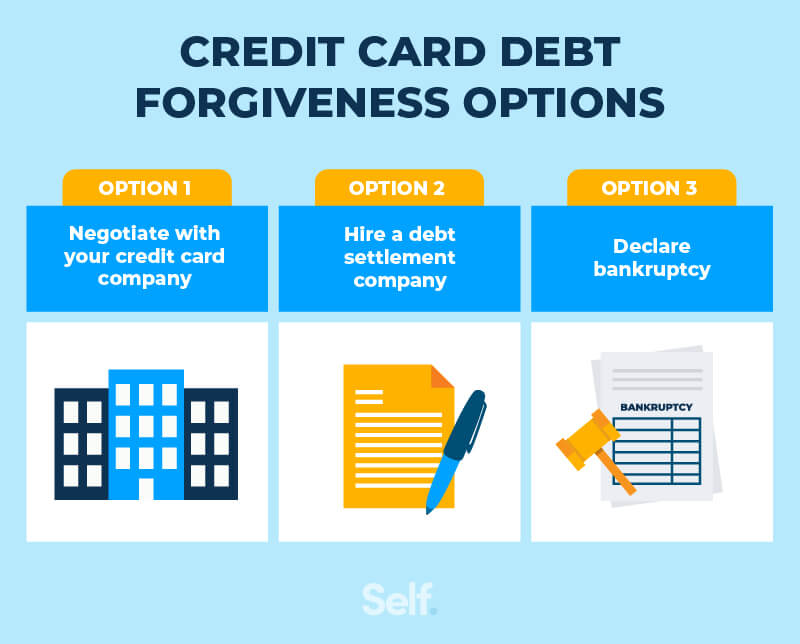
That maximizes cash in the short term, and you might have 3 to 4 years to save toward the settlement quantity. Extremely dangerous to credit report, largely due to missed out on settlements and an adverse "cleared up" mark that can stay on your credit score record for up to 7 yearsMay be just choice if other options (financial debt combination, balance transfer bank card, financial obligation mercy) aren't possibleTypically calls for a charge to the 3rd party, which can balance out some or every one of the financial savings from financial obligation settlementMay assist you avoid personal bankruptcy if you have actually missed numerous paymentsNot all creditors deal with debt negotiation firms Financial debt forgiveness might be best for you if you are experiencing an economic challenge that makes it almost impossible to pay for your debt equilibriums.
With a DMP, you make one month-to-month payment to the credit score therapy agency. Those funds are after that distributed to financial institutions of your unsecured financial obligations, such as bank card and installment fundings. The company functions with your lenders to lower rates of interest or forgo costs, yet some financial institutions might reject such giving ins.
It can assist you pay down financial debt if you're able to secure a lending price that's lower than the typical price of the accounts you're combining. You have to avoid from racking up financial obligation on those recently removed accounts or your financial debt might expand even higher.
That gives you lots of time to eliminate or significantly decrease your equilibrium while making interest-free settlements.
Indicators on Your Legal Protections Under State Law You Need To Know
You may need it if your creditor or a debt collection agency ever before tries to collect on the debt in the future. The letter could show you don't owe what the collection company's documents reveal. Yes, in many cases, the internal revenue service considers forgiven financial debt as taxable earnings. When a lender forgives $600 or more, they are required to send you Form 1099-C.
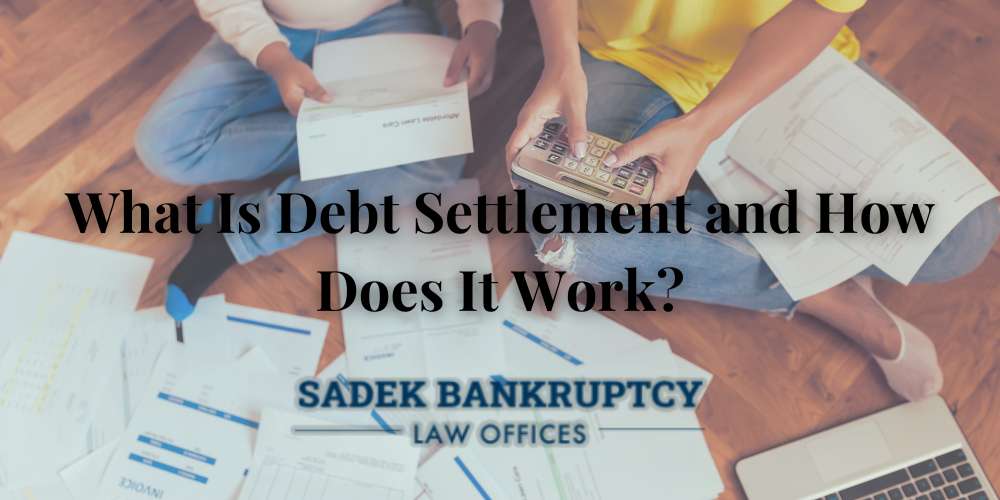
Financial obligation mercy or settlement often harms your debt. Anytime you settle a financial debt for less than you owe, it might appear as "cleared up" on your credit scores record and impact your credit rating for seven years from the day of negotiation. Your credit score can also drop significantly in the months bring about the mercy if you fall back on settlements.
How Economic Factors That Affect How More People Need for Best Budgeting Apps & Debt Payoff Tools can Save You Time, Stress, and Money.
Tax obligation financial obligation compromise programs Tax obligation financial obligation happens when the amount of taxes you owe exceeds what you have actually paid. This situation typically results from underreporting earnings, not filing returns in a timely manner, or disparities located throughout an IRS audit. The effects of gathering tax financial obligation are severe and can consist of tax obligation liens, which provide the IRS a legal case to your building as security for the debt.
Incomes and Bank Accounts IRS can levy (seize) wages and financial institution accounts to please the debt. Property Seizure In extreme situations, the IRS can confiscate and offer residential or commercial property to cover the debt.
Clinical depression, anxiousness, and other psychological health issues. Social Preconception Encountering lawful action from the IRS can bring social preconception. Damages to credibility and connections. Employment Opportunities An inadequate credit rating as a result of tire debt can restrict job opportunity. Trouble finding or keeping a work. Government Advantages Tax obligation debt might influence qualification for federal government benefits, such as Social Protection and Medicaid.
How Best Budgeting Apps & Debt Payoff Tools Ensures Industry Standards for Beginners
The OIC thinks about numerous factors, consisting of the taxpayer's income, expenses, property equity, and ability to pay. Effectively discussing an OIC can be complex, requiring a detailed understanding of the internal revenue service's standards and a strong argument for why your offer straightens with your capability to pay. It is essential to note that not all applications are accepted, and the process calls for in-depth economic disclosure.
The internal revenue service assesses your general monetary situation, including your income, costs, property equity, and ability to pay. You have to likewise be current with all declaring and repayment needs and not remain in an open personal bankruptcy proceeding. The internal revenue service also considers your conformity background, reviewing whether you have a record of prompt filing and paying tax obligations in previous years.
Measures to Take Once Debt Forgiveness Things To Know Before You Buy
The application process for an Offer in Concession includes a number of detailed steps. You should finish and submit IRS Type 656, the Deal in Compromise application, and Kind 433-A (OIC), a collection info declaration for people. These kinds need extensive financial details, consisting of information regarding your income, financial obligations, expenditures, and assets.
Back taxes, which are overdue taxes from previous years, can considerably increase your total internal revenue service financial obligation otherwise addressed promptly. This financial obligation can build up passion and late repayment fines, making the original amount owed much larger over time. Failure to pay back taxes can result in the internal revenue service taking enforcement activities, such as issuing a tax obligation lien or levy against your building.
It is necessary to deal with back tax obligations as soon as possible, either by paying the sum total owed or by organizing a repayment plan with the internal revenue service. By taking aggressive steps, you can stay clear of the buildup of additional interest and charges, and stop much more aggressive collection activities by the internal revenue service.
One usual reason is the idea that the taxpayer can pay the sum total either as a round figure or with a layaway plan. The IRS also considers the taxpayer's earnings, expenditures, property equity, and future earning potential. If these variables suggest that the taxpayer can pay for to pay greater than the provided amount, the internal revenue service is likely to deny the deal.
How What to Watch For While Researching Forgiveness Services can Save You Time, Stress, and Money.
It is essential to supply exact and complete information in your application and to talk to a tax obligation specialist to improve the chances of approval. Managing internal revenue service debt can be complex and difficult. Tax experts, such as Certified public accountants, tax obligation lawyers, or enrolled agents, can supply important help. They have the know-how to browse the intricacies of tax obligation law and internal revenue service treatments.

Table of Contents
Latest Posts
The Buzz on Typical False Beliefs About Debt Forgiveness
The Best Guide To Common False Beliefs About Why Mental Health Support for Veterans Matters More Than Ever
Fascination About How to Never Repeat the Previous Mistakes After The Importance of Family Support Programs in a Veteran’s Post-Service Journey
More
Latest Posts
The Buzz on Typical False Beliefs About Debt Forgiveness
The Best Guide To Common False Beliefs About Why Mental Health Support for Veterans Matters More Than Ever